
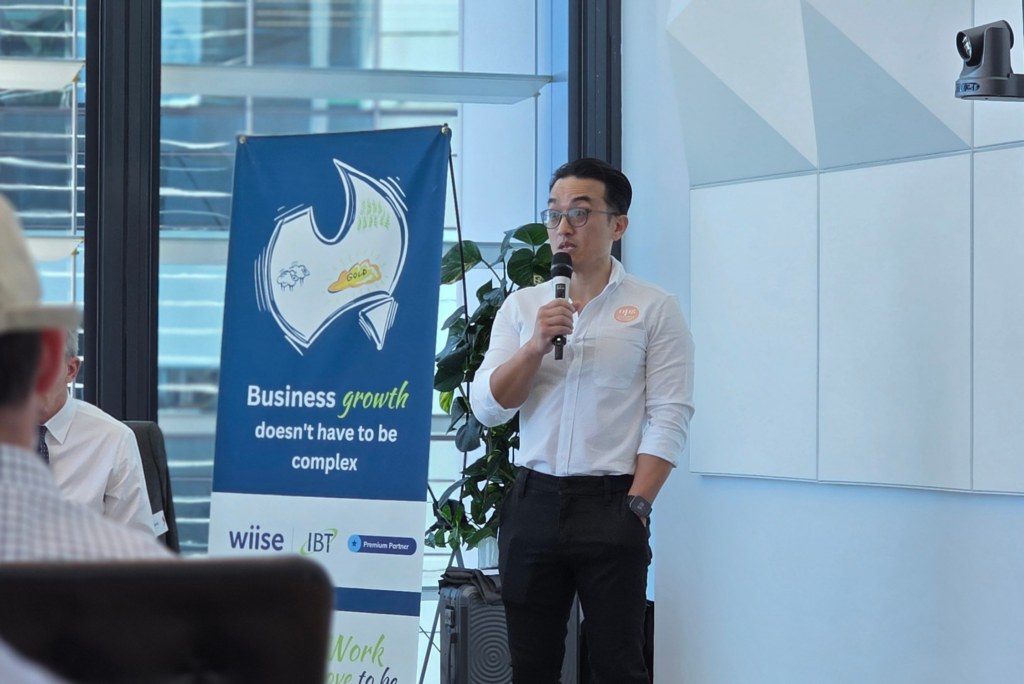
Last week, OPS CEO Adrian Tan joined finance and sector leaders at the Wiise Finance in NFP & NDIS Breakfast in Sydney to discuss a challenge many growing organisations eventually encounter: the systems, processes and reporting structures that once supported growth can begin to limit it.
During the session, Adrian shared practical examples drawn from his experience supporting NDIS and care-sector providers through periods of growth and operational change. Rather than focusing solely on software or reporting tools, the discussion centred on a broader question:
How do you know when your organisation has outgrown the way it operates?
Many providers start with systems and processes that are appropriate for their size at the time. As teams expand, services grow and reporting obligations increase, those same approaches can become more difficult to maintain.
The challenge is often not a single process, platform or department. It’s the cumulative effect of workarounds, manual processes and disconnected information across the organisation.
The Warning Signs
Throughout the discussion, several common themes emerged.
Finance teams spending significant time reconciling information across multiple spreadsheets, payroll processes relying heavily on manual intervention, reporting that becomes increasingly time-consuming as operational complexity grows, leadership teams struggling to access the information they need to make timely decisions.
These challenges are rarely caused by a lack of effort from staff. More often, they reflect organisations that have grown beyond the capabilities of the systems and processes that were put in place years earlier.
Transformation Is About More Than Technology
One of the key messages from the session was that finance transformation is not simply a technology project.
Successful change requires organisations to look at the relationship between people, processes and systems.
In one case study presented during the breakfast briefing, a large NDIS provider had outgrown its existing accounting environment, resulting in extensive manual work and spreadsheet-driven processes outside the core system. The transformation involved not only new technology, but also a finance process redesign and engagement with stakeholders across the organisation.
Another example focused on a provider managing significant government funding obligations. Clear reporting structures were established to capture funding, direct costs and allocated expenses in a way that supported both compliance reporting and financial accountability. This made it easier to produce the information required for acquittals, audits and ongoing reporting obligations directly from the system rather than relying on manual workarounds.
The technology enabled the change, but the outcomes were achieved through a broader redesign of operational processes.
Is Your Finance Function Keeping Pace?
NDIS providers, not-for-profit organisations and other service-based organisations continue to operate in an environment of increasing reporting requirements, governance expectations and funding complexity.
As organisations grow, maintaining visibility across finance, operations and compliance becomes increasingly important.
An important question for any business is whether its current systems and processes are still keeping pace with the organisation it has become. The answer often becomes clear through everyday operational pressures, whether that’s reporting, compliance requirements, payroll complexity or access to timely information.
OPS would like to thank Wiise and IBT for the opportunity to be part of the discussion, and everyone who attended and contributed to the conversation.